
Packaging Guides
Tape for D2C Cartons: Sealer Speed and Courier Abrasion
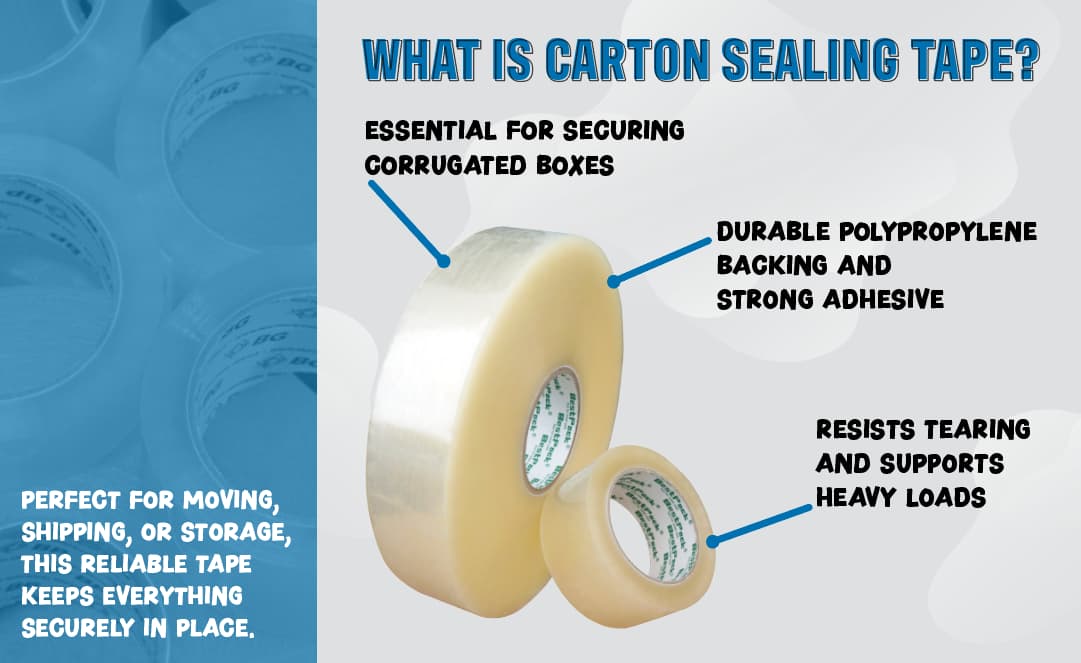
Most D2C brands pick tape the way they pick a courier partner, on price, and then wonder six months later why cartons are arriving with flaps open or tape peeling at the edges. E-commerce cartons go through a different kind of stress than a carton moving once from factory to retailer. They get scanned, sorted, thrown onto conveyor belts, stacked in delivery vans, and handled by five or six different people before reaching a customer’s door. Tape that looks fine on a datasheet can still fail on this journey if it wasn’t chosen for the actual handling conditions.
Why courier abrasion matters more than people think
Retail shipments usually move on pallets and get handled with some care by trained warehouse staff. Courier network shipments don’t work that way. Cartons slide across metal rollers, rub against other boxes in a delivery bag, and get dragged across floors and vehicle beds. This constant rubbing is abrasion, and it attacks the tape in two ways.
- It scuffs the printed or plain surface of the tape, which can make barcodes and labels under the tape harder to scan if the tape overlaps them.
- It wears down the edge of the tape strip itself, especially at the flap seam, which is exactly where the seal needs to hold.
A tape with good tensile strength but a thin or brittle film can still lose the fight against repeated abrasion over a multi-day delivery route. This is one reason a 35 micron tape that seals a light carton perfectly on day one can show lifted edges by the time it reaches a customer three states away.
Automatic case sealers change what “good tape” means
A lot of D2C fulfilment centres have moved from hand taping to random or semi-automatic case sealers. This changes the requirements on the tape itself, not just the adhesive strength.
Unwind consistency
Case sealers pull tape off the roll at a fixed speed while the carton moves through the machine. If the roll unwinds unevenly, jerks, or the tape stretches slightly under the tension of the machine, you get wrinkled seals, gaps at the corners, or the tape snapping mid-run. This depends on how consistently the mother roll was slit and how even the adhesive coating is across the width, not just on the micron number printed on the box.
Tack and immediate grab
A case sealer presses the tape down and moves on in less than a second. There’s no operator running a hand over the seam to make sure it’s stuck. This means the tape needs strong initial tack, the ability to grip the carton surface instantly, not just good final adhesion after 24 hours. Water-based acrylic adhesive generally performs well here because it builds tack quickly on kraft and corrugated surfaces.
Cutting and tearing
Sealer blades need to cut cleanly through the tape without dragging or fraying it. A tape that’s too thick or too stiff for the machine’s blade settings can cause jams, which slows down a fulfilment line that’s often running on tight daily dispatch targets.
If your line runs automatic sealers, it’s worth testing a roll on your actual machine before ordering in bulk, rather than going purely by the micron spec.
Matching micron to the actual D2C carton, not the industry average
D2C brands often ship a wider range of carton weights and sizes than a typical FMCG distributor, everything from a single T-shirt to a set of kitchenware. Instead of standardising on one micron for everything, it helps to group SKUs by weight and transit distance.
- 35-40 micron works for light items, apparel, accessories, books, shipped within the same city or region with one or two handling points.
- 45 micron is the common choice for standard e-commerce cartons, mixed weight orders, national courier networks, and multi-day transit.
- 50-60 micron suits heavier cartons, electronics, home goods, or anything going through more than one sorting hub before final delivery.
- 65 micron and above is generally reserved for repeated handling situations, bulk shipments to distributors, or cartons that sit in storage for longer before dispatch.
Running one micron across all SKUs is simpler for procurement, but it usually means either overspending on light items or under protecting heavy ones. A two tier approach, one standard tape for most volume and one heavier tape for the bulkier SKUs, is a practical middle ground for most D2C operations.
Practical checks before placing a bulk order
- Run a sample roll through your actual case sealer, not just a hand dispenser, before committing to a full order.
- Check tape performance after a simulated multi-day transit, not just immediately after sealing. A drop test after 48 hours tells you more than a same-day test.
- Confirm the roll width matches your carton flap overlap requirement, standard widths are usually 48mm or 72mm for D2C cartons depending on box size.
- Ask for consistent slitting quality if you’re running high volumes through automatic sealers, uneven edges cause more line stoppages than most buyers expect.
Tape is a small line item in a D2C fulfilment budget, but it’s one of the few packaging decisions that directly affects whether a customer’s order arrives intact. Matching the tape to your actual sealer setup and shipping profile, rather than a generic e-commerce recommendation, is what actually reduces damage complaints and reseals in transit.
Your product, our package
Send us your requirement
Widths, colours, artwork, monthly volume: share what you need and we will come back with a price and a date.