
Packaging Guides
Tape Choices for Footwear and Apparel Cartons That Sell Shelves
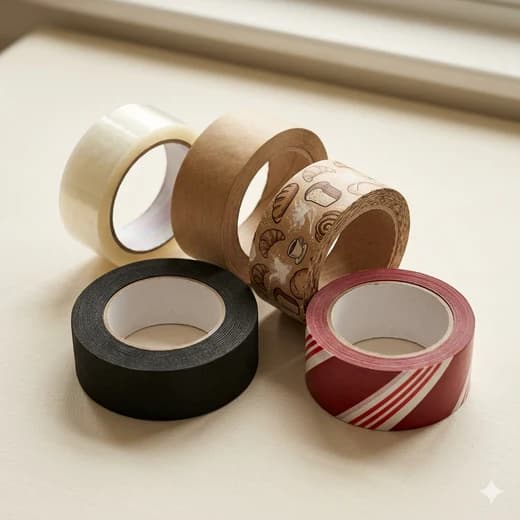
Footwear and apparel cartons are a different animal from the ones carrying auto parts or hardware. A shoebox carton, a garment carton, or a multi-pack apparel case is usually light, low-density, and often opened by a customer, not just a warehouse worker with a box cutter. That changes what you should expect from your tape.
The cartons are lighter, but the tape job is not simpler
Footwear cartons rarely exceed a few kilos per box. Apparel cartons carrying folded shirts, jeans, or multi-packs are similar. Because the load is light, many buyers assume they can drop micron thickness and adhesive strength without consequence. That works up to a point, but two things still demand attention:
- Box count per pallet is high. Light cartons get stacked higher and moved more often than heavy ones. More handling means more chances for a weak seal to lift at a corner.
- Carton board is often thinner. Footwear and apparel boxes tend to use lighter GSM board to save weight and freight cost. Thin board flexes more, and a tape with poor adhesion will peel off flexing board faster than off rigid board.
For most footwear and apparel cartons, 40 to 45 micron BOPP tape with a water-based acrylic coating is enough. If the carton is going through multiple transit legs, a distribution centre, and a last-mile courier before it reaches a customer, moving up to 50 micron is a reasonable insurance policy, not overkill.
Branding on tape is cheap real estate
Footwear and apparel brands spend real money on carton design, tissue paper, hang tags, and dust bags. The tape sealing the outer carton is often the last thing designed and the first thing a customer or retail buyer sees. That is a missed opportunity.
Custom printed tape, up to three colours, lets a brand put its logo, a tagline, or a simple pattern directly on the seal line. A few practical points buyers should know before ordering:
- Printed tape via rotogravure holds sharp detail for logos and text, but very fine serif fonts or tiny multi-colour artwork can lose clarity at small sizes. Bold, simple marks print more reliably than intricate line art.
- Repeat print length matters. A short repeat means the logo appears more often across the tape length, which looks better on a carton that gets sealed with a short strip.
- Two colours usually cover most brand needs at a lower cost than three. Reserve the third colour for brands that specifically need it for their identity.
Printed tape also does a quiet security job. A branded seal that has been cut and re-taped is obvious at a glance, which matters for footwear brands dealing with returns, exchanges, or grey market concerns.
Retail-ready presentation changes the sealing pattern
A lot of footwear and apparel packaging today is designed to be shelf-ready or at least presentable straight out of the shipping carton, especially for organised retail and modern e-commerce where the outer carton doubles as part of the unboxing experience. This changes how tape should be applied, not just what tape to buy.
H-pattern vs full wrap
Standard H-pattern sealing, tape across the centre seam plus the two end flaps, is enough for most footwear cartons under 10 kg. Heavier multi-pack apparel cartons or cartons expected to survive more handling benefit from a full wrap, though this uses roughly three times the tape per carton, so it should be a deliberate cost decision, not a default.
Edge sealing and dust protection
Apparel cartons carrying light fabric are more exposed to dust and moisture ingress at the flap edges than heavier cartons with tighter board fit. A tape width that fully covers the flap seam, rather than a narrow tape that leaves gaps, keeps the box cleaner in transit and looks less shabby when opened.
Colour coding for fast sorting
Footwear and apparel operations that run multiple SKUs, seasons, or return streams sometimes use coloured tape to separate cartons visually on the floor, for example one colour for new stock, another for returns or exchanges. This is a low-cost way to speed up sorting at a fulfilment centre without adding labels or scanning steps. It works best when the colour scheme is documented and consistent, not decided carton by carton.
What to specify when ordering
When placing a tape order for footwear or apparel cartons, it helps to have these details ready:
- Average carton weight and board GSM
- Whether cartons go through a single dispatch or multiple transit legs
- Whether branding is needed, and how many colours
- Preferred tape width relative to flap coverage
- Any colour coding scheme already in use internally
With this information, a manufacturer can recommend a micron and adhesive combination that matches the actual handling the carton will see, rather than defaulting to whatever tape was used last time. For footwear and apparel, where the carton is often part of the brand experience, getting this right is worth the extra five minutes of specification.
Your product, our package
Send us your requirement
Widths, colours, artwork, monthly volume: share what you need and we will come back with a price and a date.