
Packaging Guides
Reducing Packaging Tape Waste: Width, Dispensers and Habits
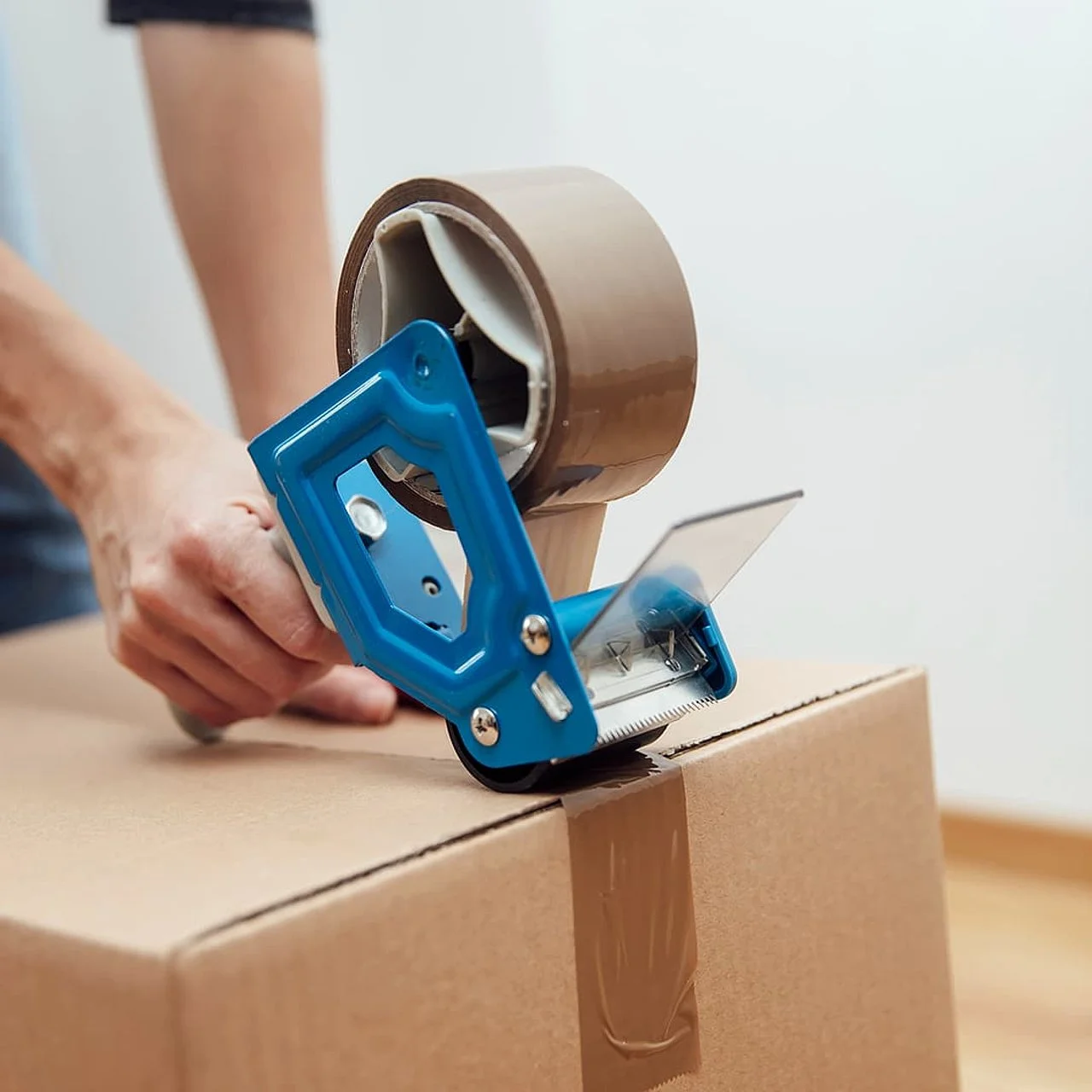
Most warehouse managers think tape consumption is fixed. A carton needs sealing, sealing needs tape, and the cost per carton is whatever it is. In our experience supplying tape to fulfilment centres, exporters and FMCG packers for close to three decades, this is rarely true. The gap between what a carton actually needs and what gets used on the floor is often 20 to 30 percent, and it comes down to three things: wrong width, poor dispenser habits, and double-wrapping out of habit rather than need.
Width Is the First Place Waste Happens
Tape width is usually chosen once, when a facility sets up, and never revisited. A team standardises on 48mm because that is what the first supplier offered, and it stays that way for years regardless of carton size or load.
Here is the problem. A 48mm tape run across a carton that only needs 36mm coverage is not adding strength, it is adding cost. The extra film and adhesive do nothing for seal integrity if the flap width does not need it. On high-volume lines packing thousands of cartons a day, that extra 12mm per strip adds up to real money and real roll consumption over a month.
The opposite problem also happens. Some teams run narrow tape on heavy cartons because it is cheaper per roll, then compensate by adding more strips or extra layers, which defeats the purpose entirely.
How to Right-Size Width
- Match width to flap overlap. Standard corrugated cartons need tape that covers the centre seam with roughly 5-10mm clearance on either side, not the full flap width.
- Separate SKUs by carton size. If your facility packs both small e-commerce boxes and larger cartons, using one width for both is where waste hides. Two widths, matched to the two carton categories, usually costs less overall than one oversized width used everywhere.
- Check against micron, not just width. A 45 micron tape at the right width often holds better than a thicker, wider tape used out of habit. Strength comes from adhesive contact and film quality, not just how much tape is visible on the box.
Dispenser Training Is Underrated
A hand-held tape dispenser with a dull or misaligned blade causes more waste than people realise. Operators end up pulling extra tape to compensate for a ragged cut, or they tear tape by hand because the dispenser is not cutting cleanly, which wastes the torn edge and slows the line.
Common issues we see on client floors:
- Blade not replaced regularly. A blunt blade means operators pull more tape than needed to get a clean tear, and sometimes double up because the first strip looks messy.
- Tension not set correctly. A dispenser with too little tension lets tape unwind loosely, so operators pull extra length to compensate for slack before applying it to the carton.
- Wrong dispenser for the width. Using a dispenser rated for 48mm with a 36mm roll causes uneven feed and inconsistent cuts, which again leads to waste through re-application.
- No standard strip length. Without a visual guide or trained habit, operators eyeball strip length, and most people overestimate rather than underestimate.
None of this requires new equipment. A short training session on blade maintenance and correct tension setting, repeated every few months as staff turn over, fixes most of it. On lines running automatic case sealers, the fix is different: check that the machine’s tension and cutting mechanism are calibrated to the tape’s actual gsm and adhesive strength, not left on factory default settings that may not match your tape spec.
Double-Wrapping Out of Habit
This is the most common and most avoidable source of waste we see. A packer applies one strip down the centre seam, then adds a second strip perpendicular across it, or wraps the carton in an H-pattern, when the load, weight and transit distance do not call for it.
Double-wrapping made sense historically when tape quality was inconsistent and peel strength varied roll to roll. If a business has been burned by weak tape in the past, double-wrapping becomes the default fix, and it stays in place long after the tape supplier or quality has changed.
The better fix is matching tape spec to the actual shipping profile:
- Light or short-transit cartons (35-40 micron) rarely need more than a single centre strip if the tape has consistent peel strength.
- Standard e-commerce and FMCG loads (45 micron) hold with a single H-pattern at most, not full double-wrapping.
- Heavier cartons or longer transit (50-60 micron) may genuinely need edge reinforcement, but that is a design decision, not a default habit applied to every carton regardless of weight.
- Export or repeated-handling loads (65+ micron) are the real case for extra reinforcement, and even there it should be planned, not habitual.
If your team is double-wrapping cartons that do not need it, the fix is not more training on taping technique, it is testing your current tape’s actual peel strength and coat weight consistency. If the tape holds reliably at the right micron, the habit of doubling up usually stops once packers see it holding on its own.
What This Actually Saves
None of these three fixes need new machinery or a change in supplier. Right-sizing width, maintaining dispensers properly, and matching tape spec to load so double-wrapping stops being a default habit, together typically cut tape consumption by 15 to 25 percent on a floor that has not looked at this before. That is not a marketing number, it is what we see when clients switch from a single oversized width used everywhere to a properly matched width and micron combination for their actual carton mix.
If you are unsure where your floor stands, the simplest test is to pull one week of tape roll consumption against cartons packed, then compare it to what the math says you should need at the correct width and single-strip application. The gap tells you exactly where to start.
Your product, our package
Send us your requirement
Widths, colours, artwork, monthly volume: share what you need and we will come back with a price and a date.