
Packaging Guides
Plain vs Printed Tape Lead Times: What to Expect and Why
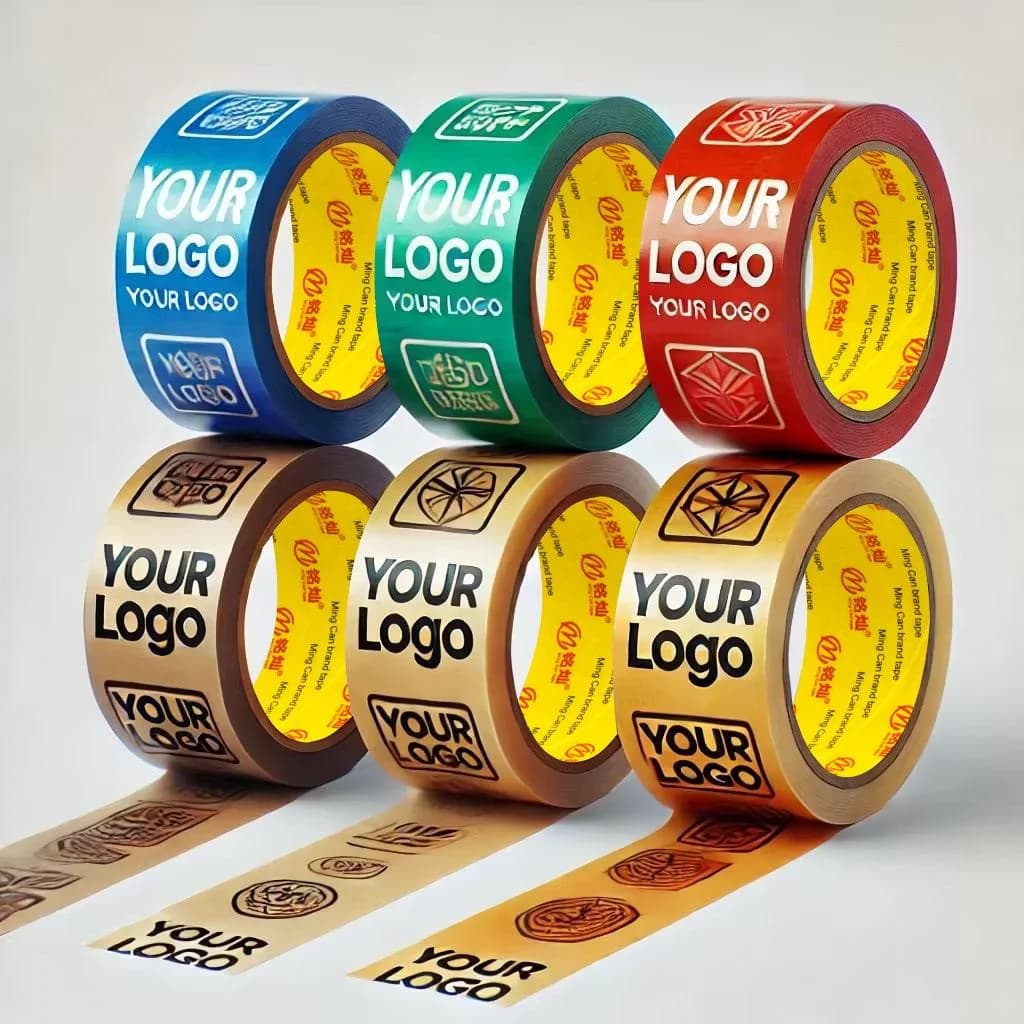
If you have ever ordered plain tape one month and printed tape the next, you probably noticed the gap. Plain tape can land in your warehouse in a few days. Printed tape takes longer, sometimes by weeks. This is not a supplier being slow. It comes down to what physically has to happen before either roll leaves the factory.
Why plain tape ships fast
Plain or brown BOPP tape does not need any new setup. The film, the water-based acrylic adhesive, and the slitting equipment are already running for standard widths and microns. Once an order comes in, the job is mostly:
- Checking stock of jumbo rolls in the required micron (35-40, 45, 50-60, or 65+)
- Slitting jumbo rolls down to the ordered width, whether that is a narrow 48mm roll or a wide format up to 1320mm
- Winding onto paper cores made in-house
- Packing and dispatch
None of these steps require design approval or a wait on external materials. If the width and micron you need are common, a manufacturer running its own coating and slitting line, like most self-adhesive tape plants, can usually turn this around in a few days. Bulk orders in less common widths might add a day or two for slitting scheduling, but there is no design or tooling dependency holding things up.
Why printed tape takes longer
Printed tape looks like a small variation on plain tape, but the production path is different. Custom printing uses rotogravure printing, which means the artwork has to be etched onto a cylinder before a single roll can be printed. That cylinder is specific to your design, your colours, and often your width. It cannot be reused for another customer’s logo.
Here is what typically has to happen before printed tape reaches the line:
- Artwork finalisation: the logo, text, or design has to be in a print-ready format. Low resolution files or last-minute colour changes push this stage out.
- Proof approval: a proof is generated so you can check colour placement, text clarity, and overall look before it goes to cylinder. Any correction here means another round of proofing.
- Cylinder engraving: once the design is approved, the cylinder gets made. This is a physical, mechanical step, not something that can be rushed by adding more staff on the same day.
- Print run and quality check: the tape prints, gets checked for registration and colour consistency, then moves to slitting and winding like plain tape.
Each of these stages adds real days, not filler time. A rushed proof approval or an incomplete artwork file is usually what turns a two-week job into a three-week one, and it happens on the buyer’s side more often than the supplier’s.
What determines how long printed tape takes
A few factors change the timeline more than people expect:
- Number of colours: printed tape up to 3 colours is standard for most manufacturers. More colours can mean more registration checks during the print run.
- Whether it’s a repeat order: if the cylinder already exists from a previous order and the design hasn’t changed, printed tape can move almost as fast as plain tape. This is worth asking about if you reorder the same branding regularly.
- How quickly you approve the proof: a proof sitting in someone’s inbox for four days adds four days to the total lead time. This is the easiest part for a buyer to control.
- Width and quantity: unusual widths or very large volumes may need scheduling around other jobs on the coating and slitting line.
Planning around the difference
For businesses that use both plain and printed tape, the practical approach is to treat them as two separate planning tracks:
- Keep plain tape orders on a short reorder cycle since it can be replenished quickly when stock runs low.
- Place printed tape orders well ahead of when you actually need the stock, especially for new designs or first-time branding.
- If you expect to reorder the same printed design regularly, ask your supplier whether they retain the cylinder. This alone can cut future lead times significantly.
- Send print-ready artwork early and respond to proofs the same day where possible. This is the single biggest lever a buyer has over printed tape timelines.
A rough guide, not a guarantee
Exact timelines vary by manufacturer, order size, and season, so it is worth asking directly rather than assuming. But as a general pattern: plain tape in standard widths and microns is a fast-moving order, often ready within days. Printed tape carries the added weight of proof approval and cylinder engraving before production even starts, so it needs to be planned for, not ordered at the last minute.
Understanding this difference helps avoid two common problems: running out of plain tape stock while waiting on a printed order that was never going to move at the same speed, and rushing a printed order’s proofing stage in a way that leads to a design mistake that has to be corrected after the cylinder is already made.
Your product, our package
Send us your requirement
Widths, colours, artwork, monthly volume: share what you need and we will come back with a price and a date.