
Packaging Guides
Does Tape Colour Affect Strength? Clear vs Tan vs Coloured
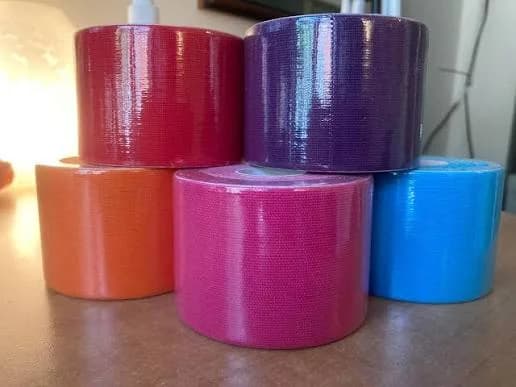
We get this question often enough that it is worth answering properly. A buyer calls asking for coloured tape, then asks if it will hold as well as the clear or tan tape they normally use. The short answer is yes, if the film thickness and adhesive coating are the same, the colour makes no difference to strength. Here is why, and where colour actually does matter.
What actually determines tape strength
Tape performance comes down to three things: the BOPP film thickness (micron), the adhesive type and coating weight, and how the tape is manufactured (coating consistency, slitting quality). None of these depend on whether the film is clear, tan, or dyed a specific colour.
- Film micron: a 45 micron film behaves the same whether it is clear or pigmented brown, because the polymer structure is identical, only the colourant additive changes.
- Adhesive coating: our water-based acrylic adhesive is applied at the same coating weight regardless of the film colour underneath. Peel adhesion and tack are a function of the adhesive formulation, not the film’s tint.
- Manufacturing process: rotogravure printing and precision slitting happen after the film and adhesive are set, colour has no bearing on how cleanly a roll slits or how evenly the adhesive coats.
Pigment is a small addition to the BOPP resin or a coating layer on the film surface, in quantities too small to change the film’s tensile strength, elongation, or how the adhesive bonds to a carton surface. If a coloured roll seems weaker than a clear roll, the actual cause is almost always a difference in micron or adhesive grade between the two rolls, not the colour itself.
Where colour genuinely does matter
Colour is not decorative fluff. It serves two real purposes on a packing line: coding and branding. Neither has anything to do with adhesion.
Colour for coding
Many warehouses and fulfilment centres use tape colour to separate SKUs, batches, or destinations at a glance. A few common uses we see from customers:
- Different colours for different product lines, so pickers can tell cartons apart without reading labels.
- Colour changes to mark a shift, a batch date, or a quality hold, useful for traceability without extra paperwork.
- Export versus domestic shipments taped in different colours to prevent mix-ups at the loading dock.
- Fragile or cold-chain cartons taped in a distinct colour so handlers treat them differently before they even read a warning label.
This kind of coding works because colour is easy to spot fast, on a moving line or in a stacked warehouse. It has nothing to do with how well the tape seals the carton, it is purely a visual signal for people, not a strength attribute.
Colour for branding
The other common reason for coloured tape is brand presence. A carton sealed with a tape colour that matches a company’s brand palette looks more deliberate at the customer’s doorstep than plain brown tape. This matters a lot for e-commerce brands and D2C sellers where the unboxing moment is part of the customer experience.
Custom printed tape (we print up to 3 colours) takes this further, adding a logo, a return policy line, or a tamper-evident message directly on the tape. Again, the print and colour sit on the film surface or in the ink layer, they do not touch the adhesive underneath. A printed tape at 45 micron with the same adhesive as an unprinted tape will seal a carton exactly the same way.
What to actually check when buying coloured tape
If you are moving from plain tape to coloured or printed tape, the questions to ask your supplier are the same ones you would ask for plain tape:
- What micron is the film? Match it to your carton weight and transit length, not to the colour.
- What adhesive is used, and is the coating weight consistent with your current tape?
- Is the roll slit cleanly, with no edge fraying that could affect how it unwinds on your dispenser or machine?
If the answers match what you already use in clear or tan tape, the coloured version will perform the same on the carton. There is no trade-off between colour and hold strength when the underlying film and adhesive spec are unchanged.
A practical note on tan vs clear
Tan tape is often assumed to be “stronger” simply because it looks more traditional, closer to kraft paper tape. This is a visual association, not a technical one. Tan BOPP tape and clear BOPP tape, made to the same micron and adhesive spec, seal cartons identically. Tan is popular mainly because it blends with brown corrugated boxes and looks neutral, while clear is chosen when a brand wants the carton’s own printing or labelling to remain visible under the tape.
The bottom line
Colour is a tool for people, not a performance variable for the tape itself. Use it to code batches, separate SKUs, or carry your brand onto the carton. But when you are deciding what will actually hold your cartons shut through transit, focus on micron and adhesive type, and treat colour as a separate decision entirely.
Your product, our package
Send us your requirement
Widths, colours, artwork, monthly volume: share what you need and we will come back with a price and a date.