
Packaging Guides
BOPP Tape Micron Thickness: A Simple Guide to Choosing Right
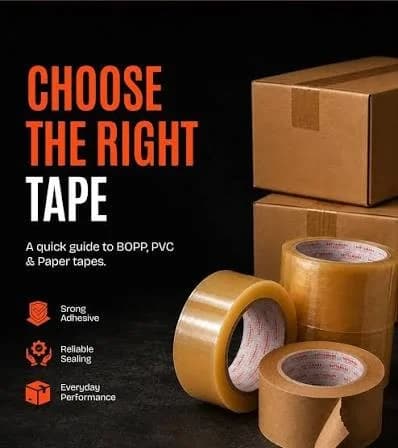
Most tape buying mistakes come down to one thing: picking a micron thickness based on price instead of the actual job the tape has to do. A 35 micron tape and a 65 micron tape look almost identical on the roll. The difference shows up three weeks later, when a carton arrives with the flap popped open or the seal has gone brittle in a warehouse.
Micron thickness is the total gauge of the tape, film plus adhesive coating. It is not the only factor in tape performance, but it is the fastest way to size a tape correctly for a job. Here is how to think about it.
Why micron thickness matters more than people assume
Thicker tape isn’t automatically better. It’s just built for more stress, over more time, or over a longer distance. Using 65 micron tape on a light 2 kg carton that ships locally is wasted cost. Using 35 micron tape on a 15 kg export carton that sits in a container for three weeks is a return waiting to happen.
Three variables decide which micron range you need:
- Carton weight: heavier cartons put more pull on the seal at the flaps and corners.
- Transit distance: longer transit means more handling, more vibration, more temperature change.
- Storage time: tape adhesive and film both age. A carton sealed and moved same-day needs less holding power than one stored for months.
35-40 micron: light loads, short transit
This range works for cartons under roughly 5 kg moving short distances, typically same-city or same-state delivery with one or two handling points. Think small e-commerce parcels, single-item shipments, or internal warehouse transfers.
It seals fine, it’s cost-efficient, and for the right load it performs exactly as well as a thicker tape would. The mistake is using this range for anything that will sit in a hub for a few days or get handled by three or four different people before delivery. That’s where thin tape starts to peel at the corners.
45 micron: the standard for most e-commerce and FMCG
This is the range most fulfilment centres and FMCG distributors settle on, and for good reason. It handles cartons in the 5-10 kg range, moderate transit distances across states, and the usual handling that comes with courier networks and regional warehouses.
If you’re not sure what to order and your shipments are typical D2C or FMCG cartons, 45 micron is the safe default. It’s thick enough to hold a seal through multiple transit points without being overbuilt for the job.
50-60 micron: heavier cartons, longer transit
Once cartons cross 10 kg, or the shipment is going interstate with multiple transfer points, or the goods are irregular in shape and put uneven stress on the seal, move up to 50-60 micron. This range is common for footwear, apparel bundles, appliance parts, and heavier FMCG cases.
It’s also the right call for cold-chain and pharma cartons that get refrigerated or handled with gloves. Temperature swings and repeated cold handling both work against thinner tape, and 50-60 micron holds up better under that stress.
65+ micron: export, repeated handling, long storage
Export shipments are the clearest case for 65+ micron. A carton going by sea freight might sit in a container for weeks, get loaded and unloaded at ports, sit in a bonded warehouse, and finally get handled again at the destination. Every one of those touchpoints is a chance for a weak seal to fail.
This range is also right for cartons in long-term storage, whether that’s furniture, publishing stock, or seasonal inventory sitting in a warehouse for months. The adhesive needs to hold its grip over time, not just at the moment of sealing.
A quick way to check your current tape
If you’re already using a tape and want to sanity-check it, look at your return and damage data. If seals are failing specifically on the heaviest cartons or the ones that travel furthest, you’re likely under-specced by one tier. If you’re seeing zero seal failures but complaints about tape cost, you might be over-specced and paying for thickness you don’t need.
Match the tape to the job, not the other way round
None of this needs to be complicated. Weigh your average carton, know your average transit time, and know how long product typically sits before it moves. Those three numbers point you to a micron range almost every time.
At Sonison, we manufacture BOPP tape across the 35-40, 45, 50-60 and 65+ micron ranges, in jumbo and mini jumbo rolls from 192mm to 1320mm width, coated in-house with water-based acrylic adhesive at our Mundka facility. If you’re not sure which range fits your load, send us your carton weight and transit details and we’ll help you match it.
Your product, our package
Send us your requirement
Widths, colours, artwork, monthly volume: share what you need and we will come back with a price and a date.